Hormonal & Recovery Skin Sensitivity

Your body changes. And what feels comfortable on your skin changes with it.

During perimenopause, the postpartum period, or recovery after a breast procedure, many women notice that a bra they once wore happily can start to feel scratchy, tight, hot or simply wrong. That is not imagined: hormonal shifts can affect hot flushes and night sweats, breast tenderness, and even skin thickness, collagen and elasticity.

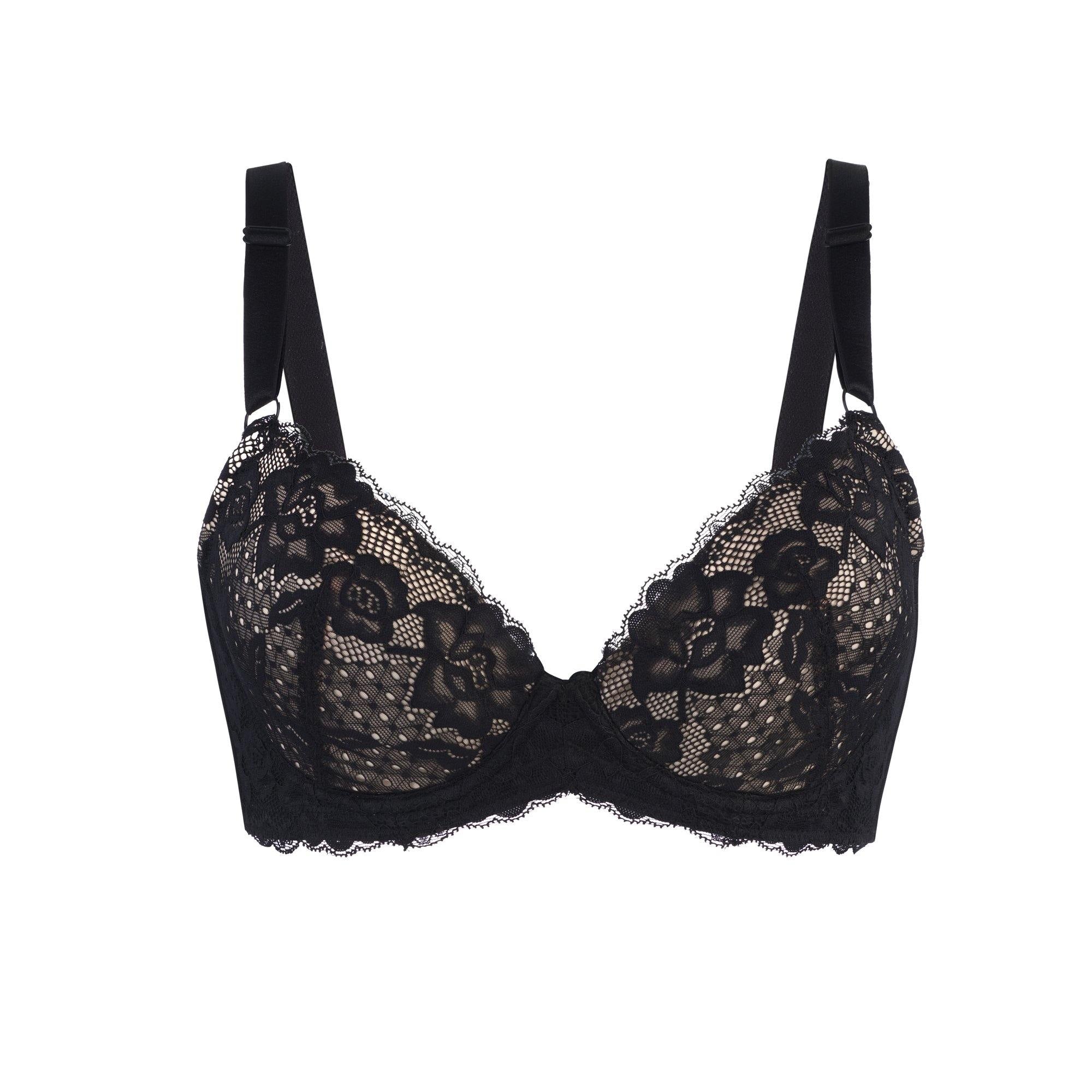
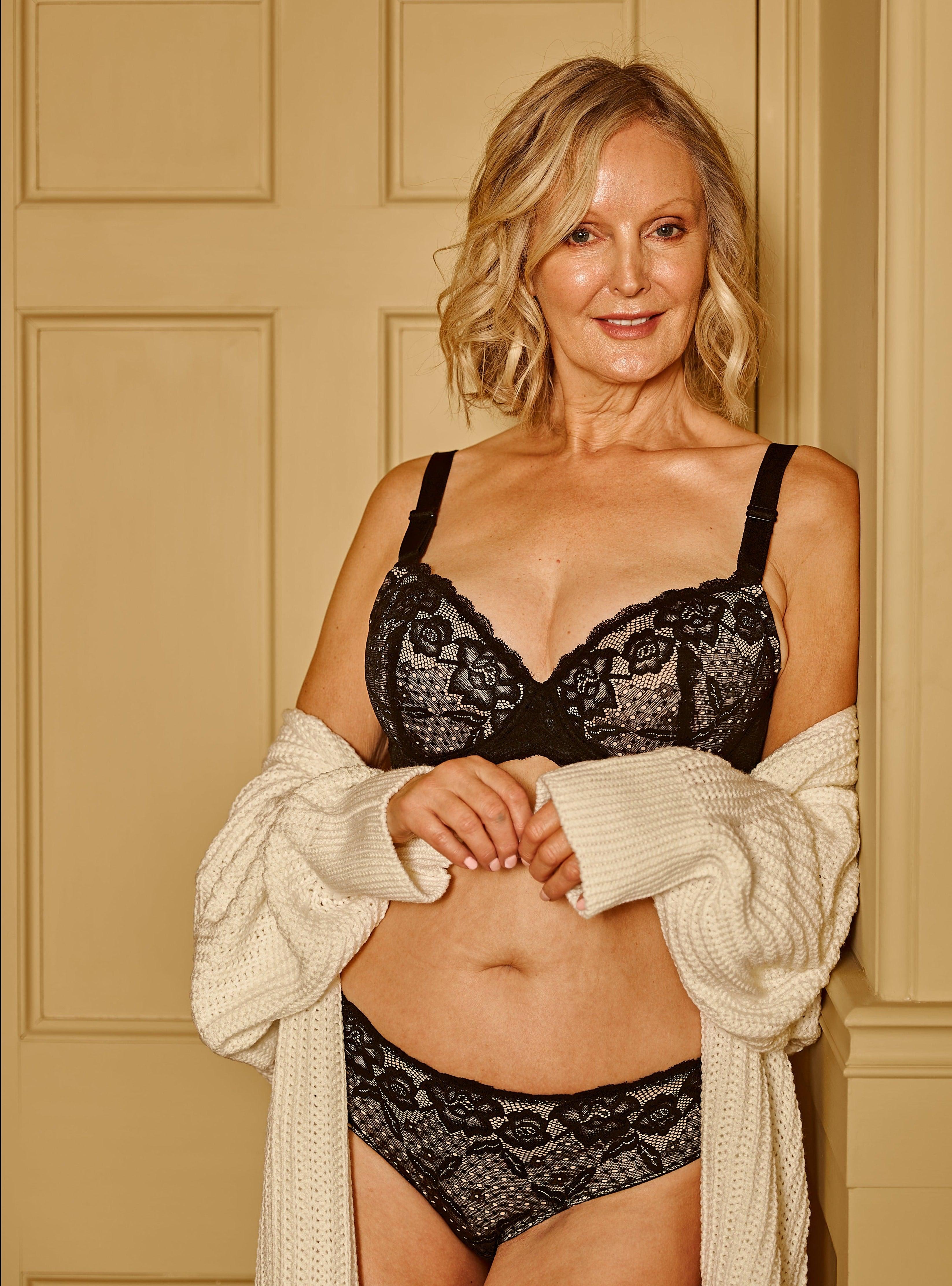
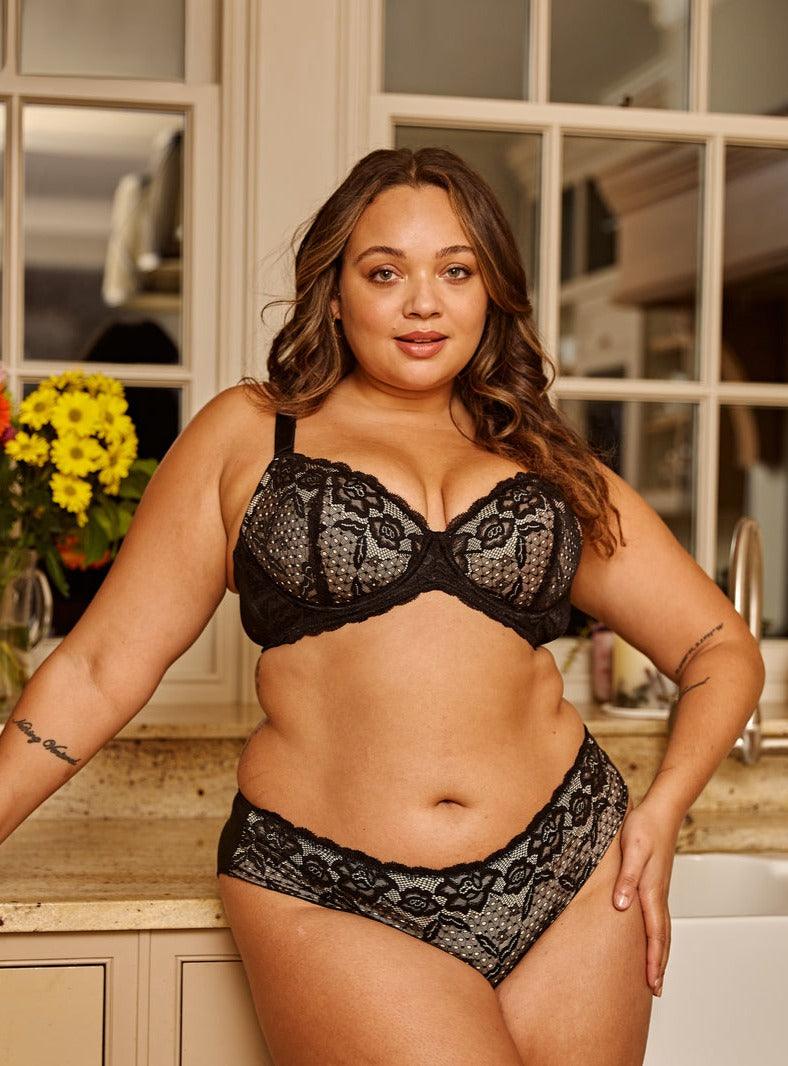
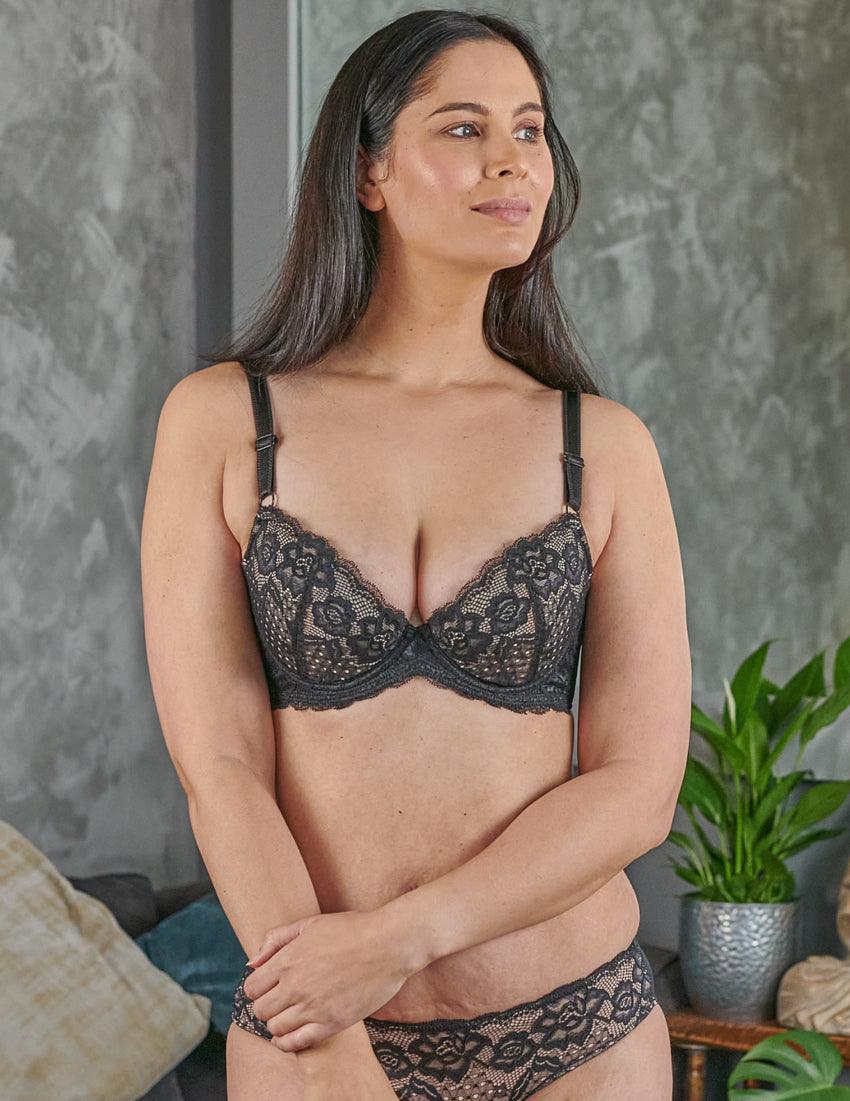
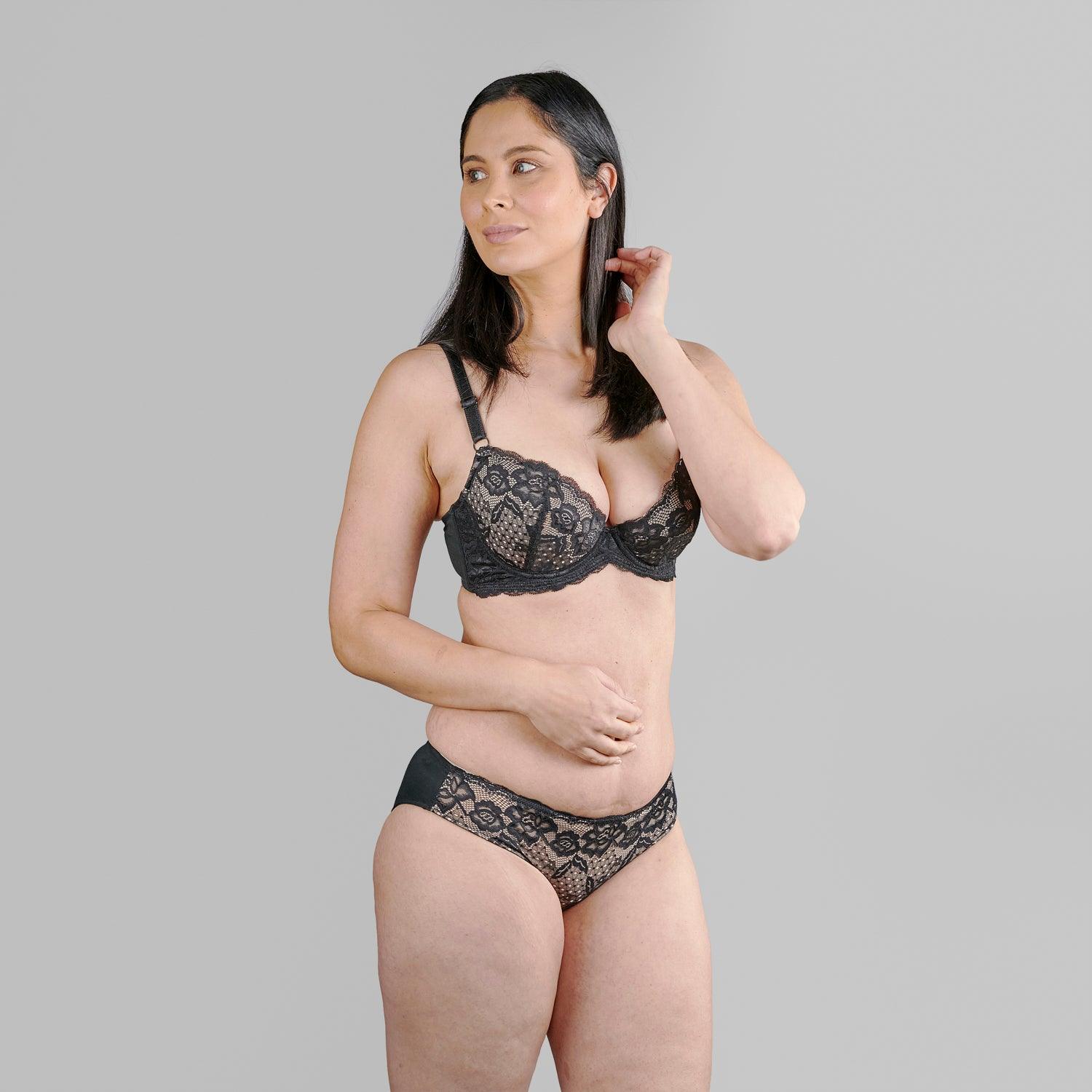
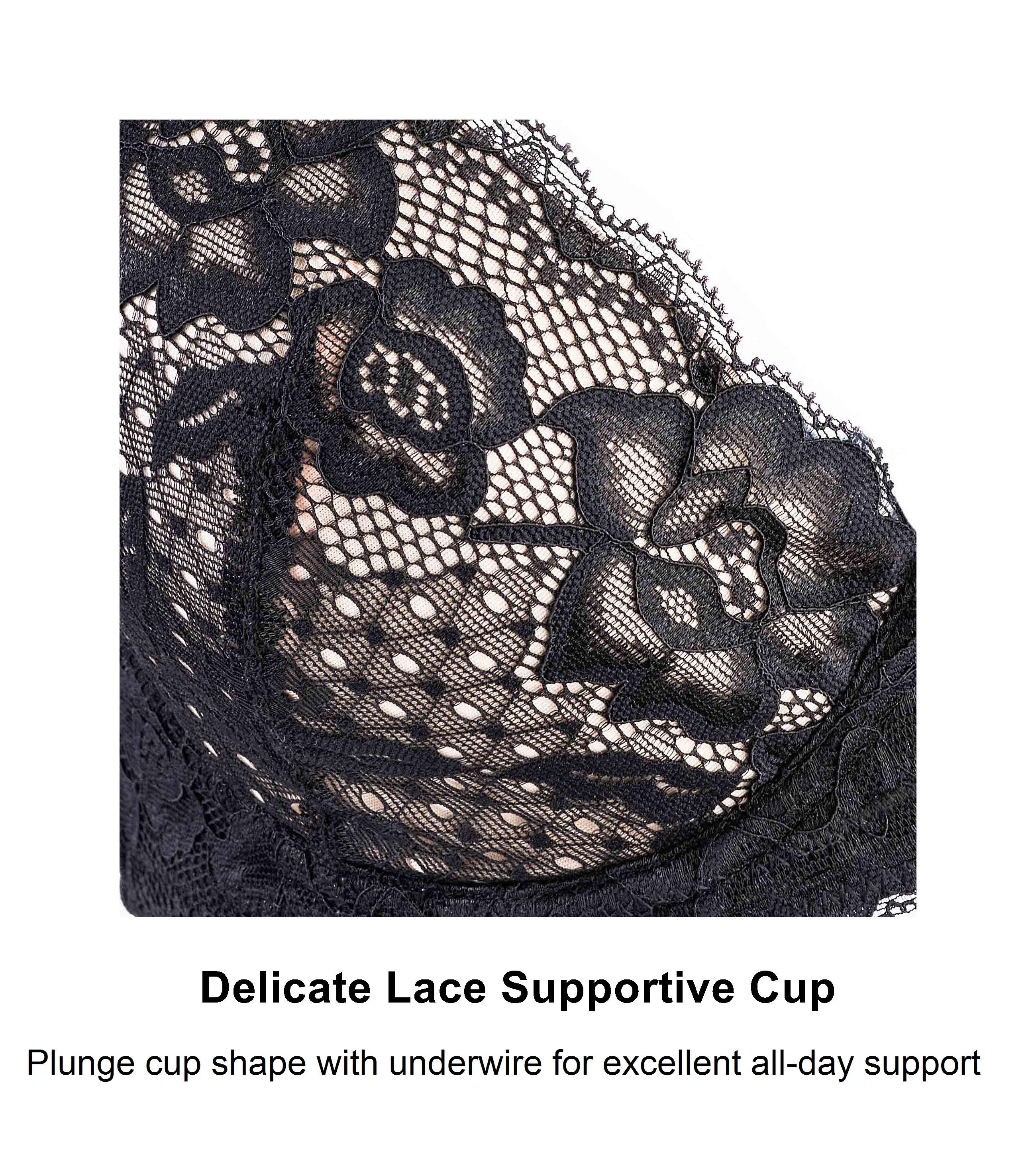
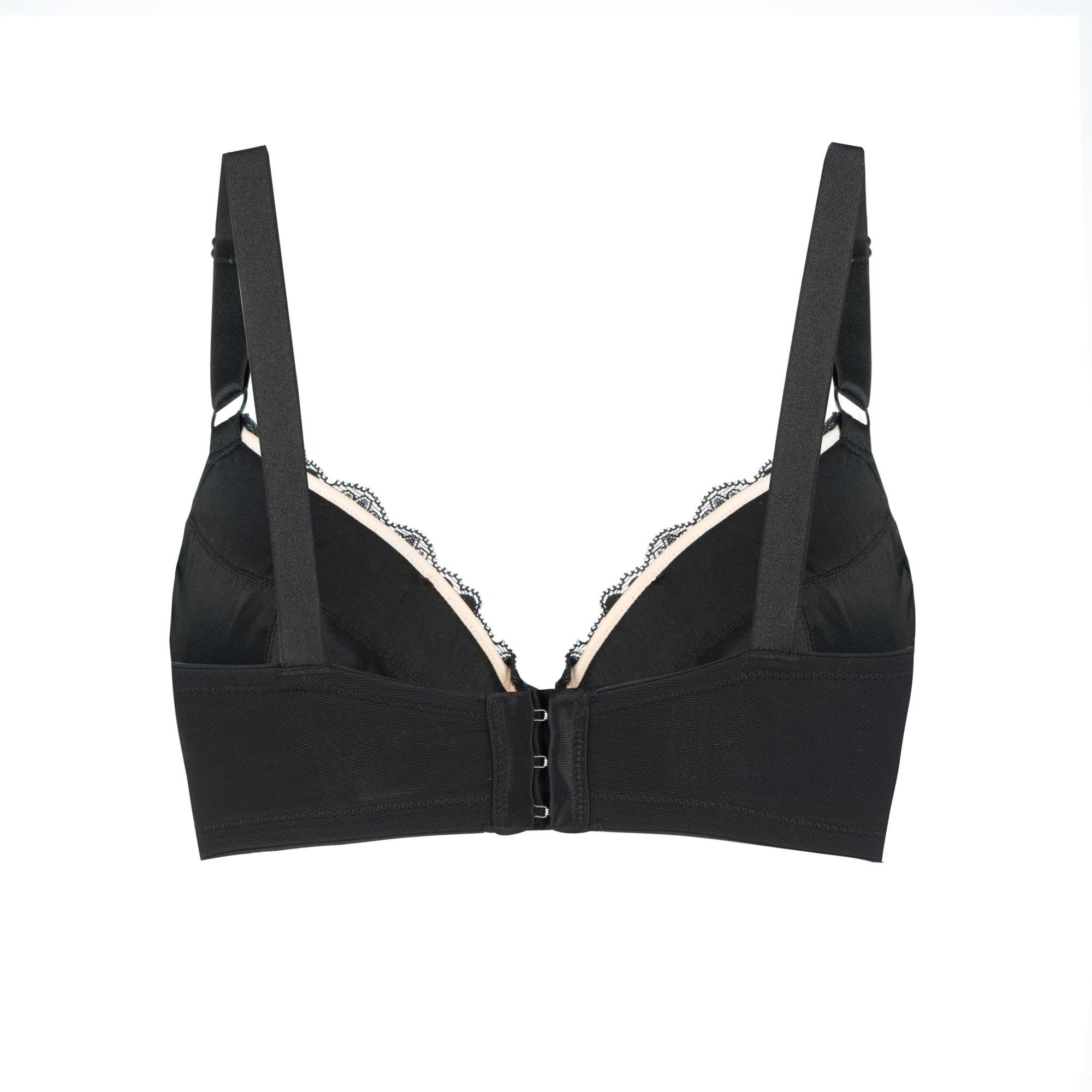
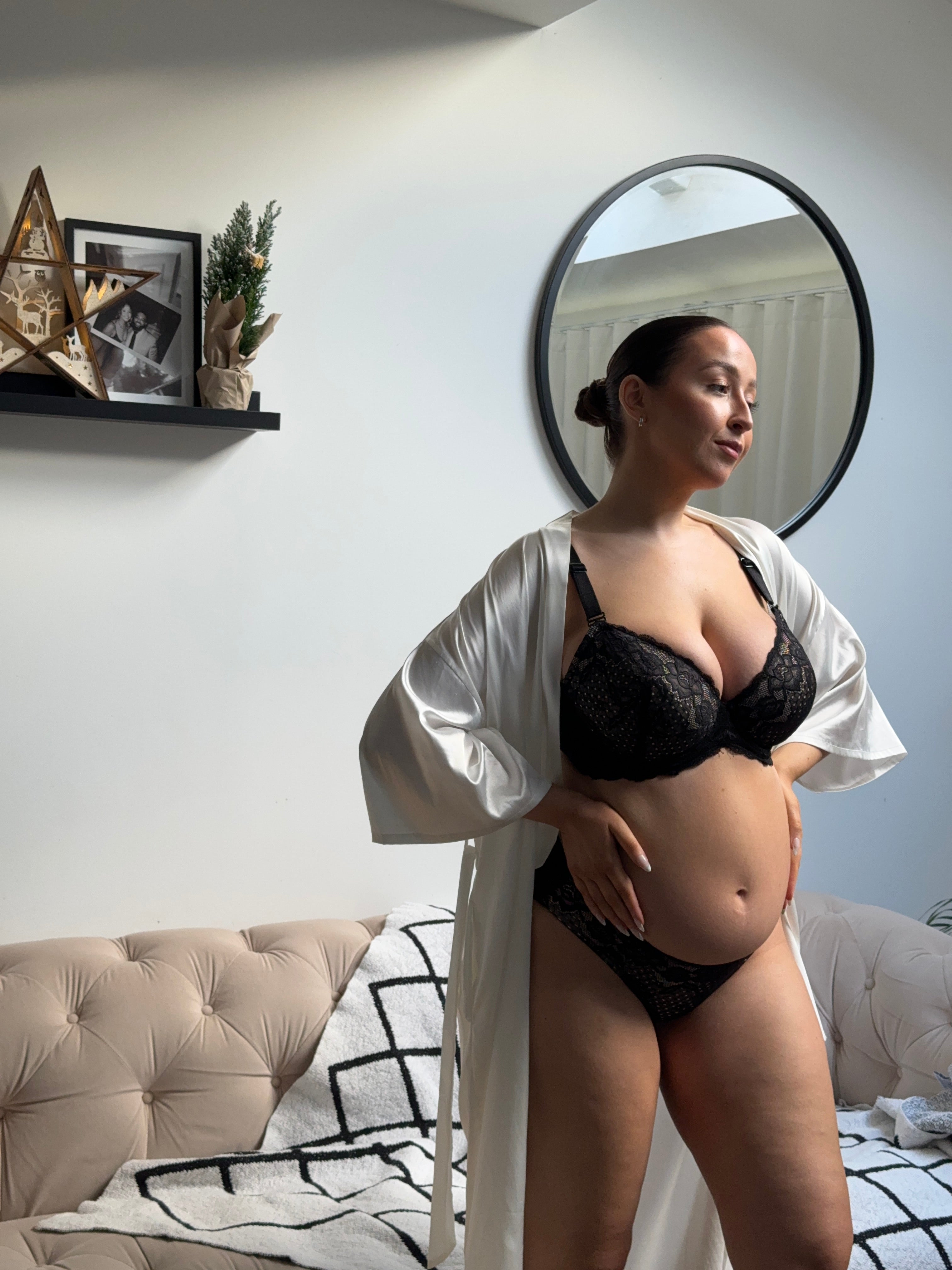
At JulieMay Lingerie, the collection is built for women with sensitive skin, allergies, menopausal symptoms and post-surgical needs, designed with organic Pima cotton and pure silk and emphasising no exposed elastics, no harsh chemicals and nickel-free components. This guide is practical, fabric-first guidance for a bra that feels calmer, more wearable and more supportive while your body is changing.

Why hormones can make bras feel different

When hormone levels change, the body can react in several ways at once. During the menopause transition, hot flushes and night sweats can make synthetic or heavy-feeling bras far more noticeable. At the same time, falling oestrogen is associated with changes in skin collagen, dermal thickness and elasticity, which may help explain why seams, elastics and pressure points suddenly feel harder to tolerate.

Breast tissue can change too. Hormonal fluctuations are a common cause of breast tenderness, and during postpartum feeding changes the breasts may become hard, tight and painful when engorged. After surgery, even a small amount of friction or pressure can feel significant, which is why charities such as Breast Cancer Now advise many women to start with a soft, non-wired bra that is not too restrictive. JulieMay is designed for exactly these phases, when comfort can be affected by heat, tenderness or healing.

Three times a bra can start to feel different

Menopause

Hot flushes, night sweats and falling oestrogen can make seams, elastics and synthetic fabrics far more noticeable, and breast tissue more tender.

Postpartum & nursing

As milk comes in, the breasts can feel full, hard and tight. The ideal bra is soft without compressing and breathable without trapping damp fabric.

Recovery after surgery

Healing tissue is less tolerant of rubbing and pressure, so soft, non-wired, front-fastening bras with smooth linings make daily wear easier.

Menopause: heat, tenderness and skin reactivity

For many women, one of the biggest bra-related changes in perimenopause and menopause is temperature. Hot flushes are an exaggerated heat-dissipation response linked to altered thermoregulation, so when the body suddenly starts sweating and vasodilating, the bra becomes the first layer that has to cope with heat, dampness and friction.

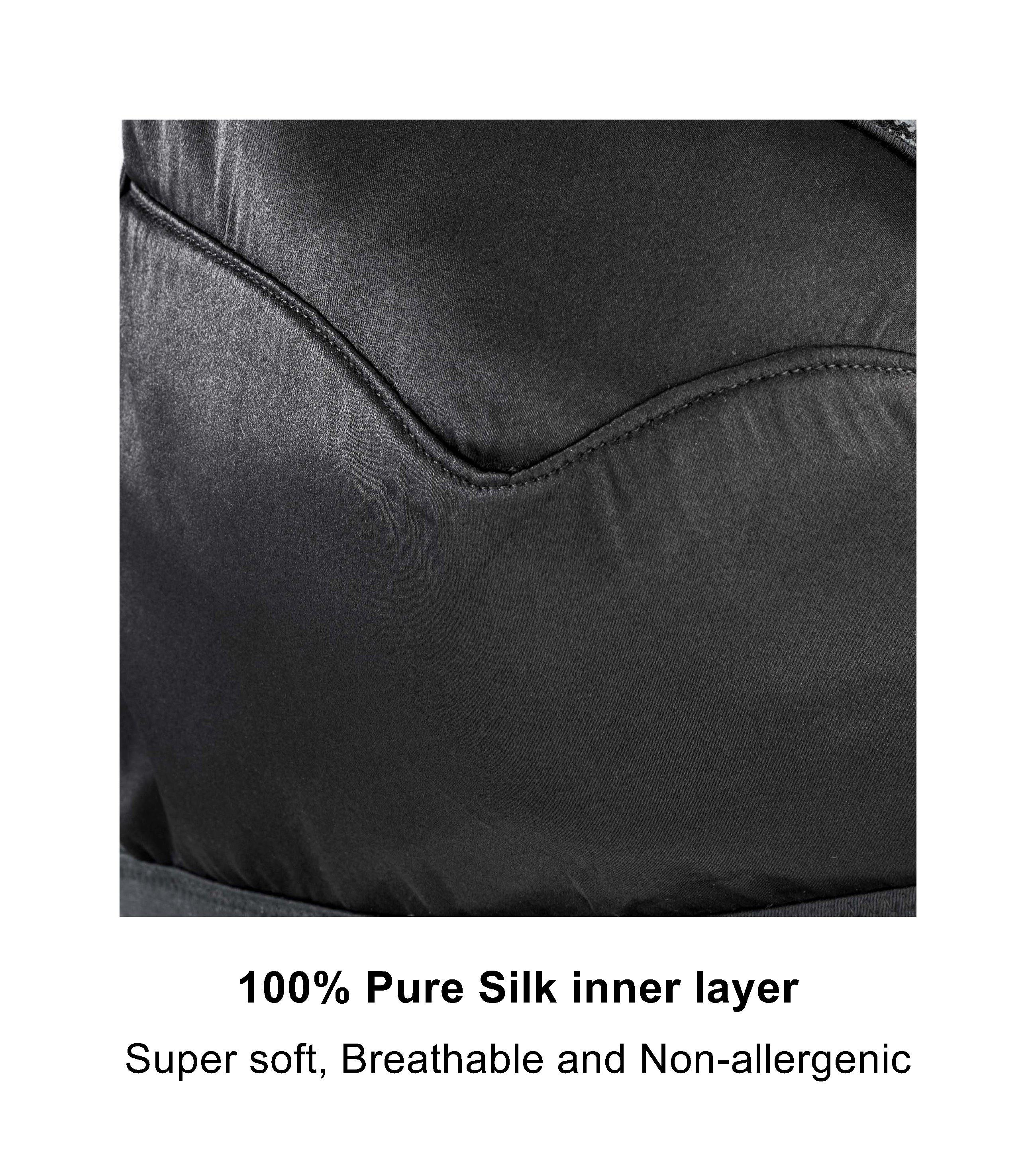
That is where JulieMay is more relevant than a generic soft-bra brand: pure silk against the inner cup, cotton-wrapped elastics and tag-free construction directly address the parts of a bra that menopausal skin often notices first. Breast tenderness can also become more noticeable during hormonal fluctuation — Johns Hopkins notes that hormone changes are a leading reason breasts become sore — so many women prefer softer support that does not create one hard line of pressure under the breast.

Skin changes are the other half of the story. Reviews on PubMed describe the link between reduced oestrogen and lower skin thickness or collagen support, which helps explain why thinner straps, harsh seams, exposed elastic and rough inner finishes may feel less tolerable than they used to.

Postpartum and nursing: softer support through daily change

The postpartum period is one of the fastest bra-fit-changing times in a woman’s life. NHS guidance explains that the breasts often become fuller when milk comes in, and engorgement can make them feel hard, tight and painful. The ideal bra at this stage is soft without compressing, supportive without creating focal pressure, and breathable without leaving damp fabric against tender skin.

JulieMay’s focus on organic Pima cotton and pure silk is relevant because postpartum comfort is often less about heavy shaping and more about what sits quietly against the skin for long hours. If easier dressing matters, front-fastening bras can be particularly useful for wearers who feel sore, tired or overstimulated by rough fabrics and fiddly closures.

Recovery after breast procedures

After surgery, the question is not “what is the prettiest bra?” but “what will be easiest to wear without rubbing, digging or pulling?” Breast Cancer Now advises that in the first few weeks most women wear a soft, non-wired bra that is not too restrictive, and that a front-fastening style may be easier if the shoulder is stiff.

The less obvious point is that scar biology continues for months: new collagen forms for around three months, and scars may stay raised, red, tender or irritated by tight clothing. That is why post-surgery relevance is best expressed as contact mechanics: smooth silk lining against the inner cup, non-wired or softer support, front-fastening access and cotton-covered bands and straps all matter because healing tissue is often less tolerant of rubbing, bulk and repeated tugging than people expect.

Why fabric matters more when skin is sensitive

Fabric choice is really about the skin-contact zone, not only the fibre name. Skin becomes more vulnerable to friction when it is hydrated, so in menopause, postpartum sweating or post-surgical recovery, a bra that feels fine when the skin is cool and dry can feel much rougher after a few hours of heat, moisture and movement. It is usually the combination of fabric, friction, sweat and pressure — not one fibre alone — that drives discomfort.

Organic cotton: best for heat and day-long wear

Cotton is frequently favoured in sensitive-skin clothing research because it is breathable, familiar and generally well tolerated. For hormonal sensitivity that matters most in the outer body of the bra — the band, strap underside and side wing — worn for the longest hours. JulieMay uses organic Pima cotton in the structural parts and wraps elastics so they do not sit directly on the skin.

Silk: smoother where friction is highest

Silk is best understood here as a surface strategy rather than a luxury detail. A smoother inner layer matters most where the bra moves repeatedly over tender skin: the inner cup, underband edge and gusset. Literature on silk garments in atopic dermatitis suggests silk can be a valuable low-irritation option, and JulieMay uses 100% pure silk linings in bra cups and brief gussets — precisely the highest-contact zones.

Synthetics: not always the problem, but exposed synthetics often are

Synthetic blends add stretch, recovery and shape. The useful question is whether synthetic content is left exposed in the skin-contact zone or kept away from it. JulieMay uses cotton-wrapped elastics, no latex, no exposed elastic and no nickel, because irritation can come not only from fibre feel but from finishing chemicals, formaldehyde in clothing and textile dyes that can act as allergens.

Fabric comparison for hormonal and breast sensitivity

Fabric / skin-contact layerBest whenMain strengthMain limitationWhere JulieMay fits
Organic Pima cottonHeat, daily wear, general sensitivityBreathable, familiar, softLess sleek than syntheticsUsed as the main body fabric, with cotton-wrapped bands and straps
Pure silk liningFriction-prone, tender or damp areasSmoother contact surfaceLess durable than synthetics; hand washing requiredUsed for inner cup linings and brief gussets
Synthetic blendsWhen more stretch or shape is neededStretch and durabilityCan feel warmer, trap moisture, higher friction riskKept away from skin-contact zones; elastics are cotton-wrapped

For most women with hormonal or recovery-related sensitivity, the most skin-friendly answer is a breathable main fabric such as organic cotton, a smoother inner contact layer such as pure silk in the cup or gusset, as little exposed elastic, metal and seam bulk as possible, and as little unnecessary chemical load as possible. That is what makes JulieMay distinct here — not one miracle fibre, but a more complete skin-contact system.

What to look for in a bra during hormonal or recovery changes

When a woman says “my bra suddenly feels wrong”, the issue is rarely cup size alone. It is usually a combination of where the bra presses, what touches the skin first, how it behaves once sweat builds up, and whether the materials carry common irritants. A quick way to check a bra:

What to checkWhy it matters during menopause / postpartum / recoveryWhat makes JulieMay relevant
Inner cup surfaceTender or healing skin feels friction here firstAll bras have a pure silk inner lining
Underband edgePressure, sweat and movement often cause irritationCotton-wrapped bands, no exposed elastic
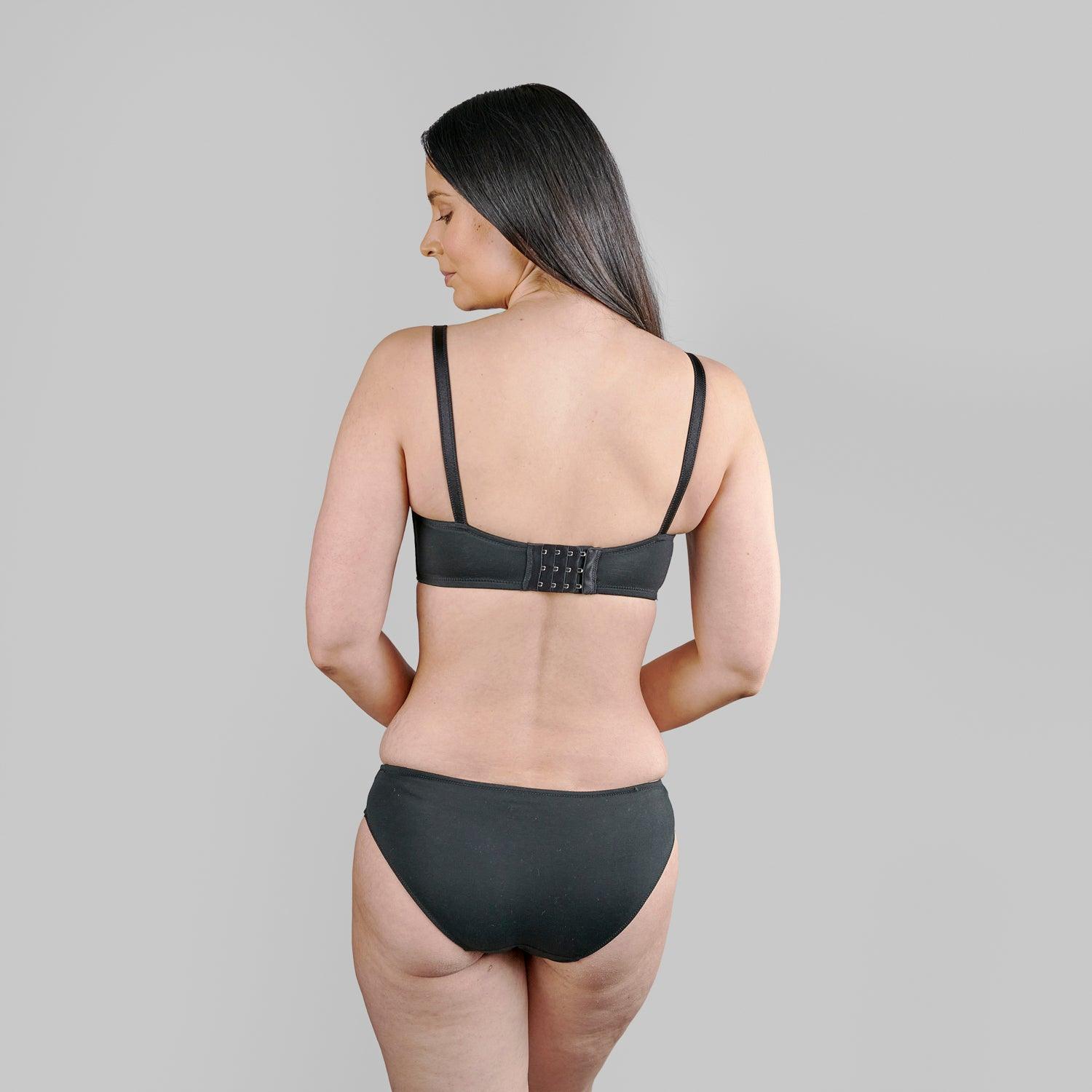
Fastening styleFatigue, pain or reduced mobility can make dressing harderFront-fastening options available
HardwareNickel sensitivity and pressure points matter more in reactive phasesNickel-free components
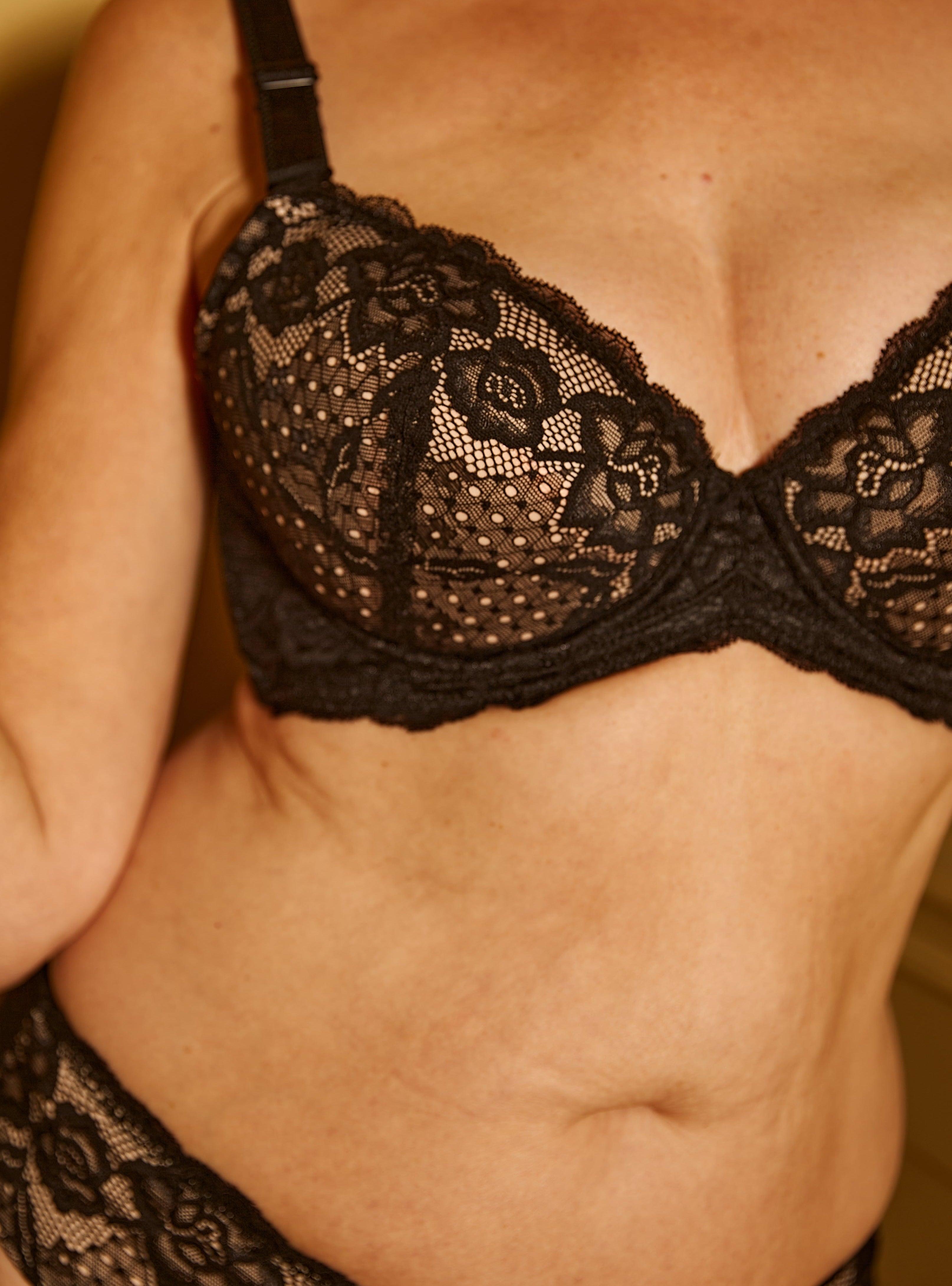
Seams and labelsRaised edges can irritate thinning or healing skinEnclosed seams and tag-free design
Fabric processingDyes, finishes and chemicals may trigger reactions in some wearersTested with no harsh chemicals or irritants of note

A better way to evaluate a bra, in layers

A more useful approach during menopause, postpartum or post-surgical recovery is to look at a bra in layers rather than by style name.

Start with the skin-contact map, not the style name

Before asking whether a bra is “supportive”, look at what actually touches the skin: the inner cup, underband edge, strap underside, hook area and side seam. JulieMay uses pure silk inside the cups, Pima-cotton-covered underbands and elastics, and tag-free construction in exactly the areas most likely to rub — a more meaningful standard than simply calling a bra “soft”.

Think about pressure distribution, not just whether there is an underwire

For hormonal tenderness or early recovery the key issue is concentrated pressure. Breast Cancer Now recommends soft, non-wired bras that are not too restrictive in the first weeks after surgery. JulieMay softens contact points through cotton-covered straps and bands; the goal is not wire-free at all costs, but no sharp pressure line on already-sensitive tissue.

Pay attention to what happens after three hours of wear

A bra can feel fine for ten minutes and become irritating once heat, sweat and movement build up. Research shows that moisture increases friction at the skin-textile interface, and sweat-related irritation is worsened by friction plus trapped moisture. Breathable cotton, smooth silk inner layers and low-bulk construction are especially relevant for night sweats and postpartum sweating.

Check the hidden irritants: hardware, dyes, elastics and finishing chemicals

Some of the biggest irritants are not visible at first glance. Textile dermatitis can be triggered by dyes and finishing chemicals, formaldehyde in clothing has been linked to dermatitis, and some disperse dyes are recognised allergens. JulieMay states no stitched tags, no latex, no nickel, no exposed elastics, and testing that found the garments low in formaldehyde and without cutaneous allergens of note.

Look for a bra that respects the recovery timeline, not just the diagnosis

Menopause, postpartum change and surgical healing stress the body differently — repeated heat and dryness, engorgement and pressure-sensitive tissue, or months of scar remodelling. JulieMay is most relevant when its bras are understood as designed around changing skin tolerance over time: softer contact layers, wrapped pressure points, low-irritation trims and accessible fastenings rather than a one-time comfort promise.

Frequently asked questions

Why does my bra suddenly feel uncomfortable during menopause?

Hot flushes and night sweats make heat and moisture sit against the skin, while falling oestrogen is linked to changes in skin collagen, thickness and elasticity, so seams, elastics and pressure points can feel harder to tolerate. Breathable fabrics and softer contact points usually help.

What kind of bra is best after breast surgery?

Breast Cancer Now advises starting with a soft, non-wired bra that is not too restrictive, and a front-fastening style can be easier if the shoulder is stiff. Smooth linings and cotton-covered bands matter because healing tissue is less tolerant of rubbing and pressure.

What should I wear postpartum when my breasts keep changing?

As milk comes in the breasts can feel full, hard and tight. A good bra at this stage is soft without compressing, supportive without focal pressure, and breathable without trapping damp fabric. Front-fastening options can make dressing easier when you are sore or tired.

What fabric is best for hormonal or sensitive skin?

There is no single miracle fibre. A breathable main fabric such as organic cotton, a smoother inner layer such as pure silk in the cup or gusset, and as little exposed elastic, metal and chemical load as possible together make the most skin-friendly combination.

Which hidden bra irritants should I look out for?

Dyes and finishing chemicals, formaldehyde in clothing and certain disperse dyes can trigger textile dermatitis. Look for tag-free, latex-free, nickel-free construction with no exposed elastics and low-chemical processing.

This guide is general information about bra comfort and fabric, not medical advice. If you have a skin condition, breast pain or are recovering from surgery, please follow the advice of your own healthcare team.